Tesla Commences Cybercab Customer Deliveries Before Year-End
Tesla executives confirm that initial private sales of the autonomous two-seater will begin in late 2026, primarily for its own robotaxi fleet operations.
By Chinedu Okafor ·
The prolonged uncertainty surrounding the commercial availability of Tesla’s autonomous two-seater has officially ended. During the company’s third-quarter 2026 earnings call on October 21, executives provided a definitive timeline for when private customers can begin purchasing the Cybercab. This announcement resolves market speculation regarding whether the purpose-built robotaxi would reach individual buyers in the near term or remain exclusively within Tesla’s internal fleet for an extended period.
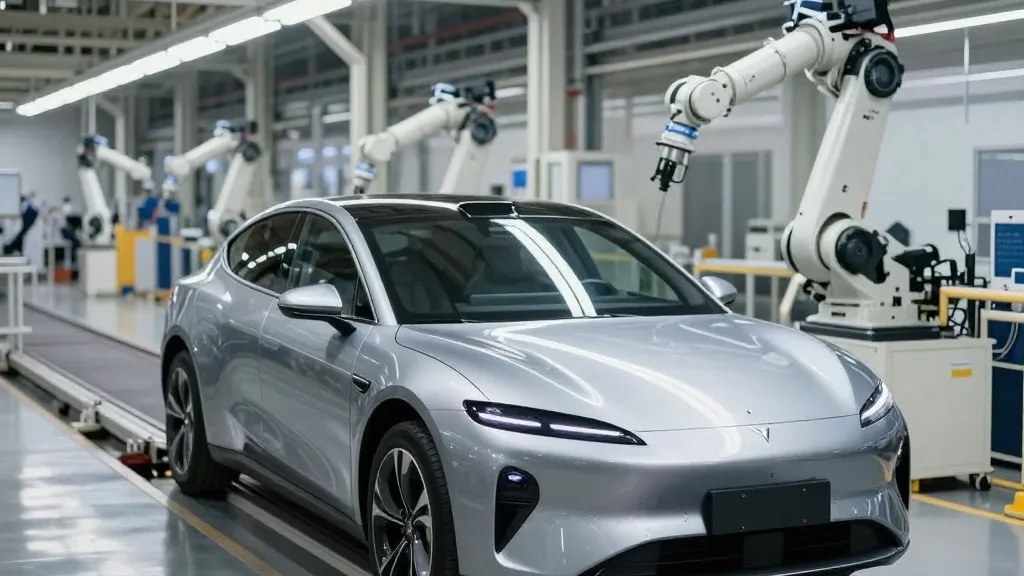
Lars Moravy, Tesla’s Vice President of Engineering, stated that the company is targeting the delivery of Cybercab units to customers by the close of 2026. He confirmed that production is currently active on the assembly line at Gigafactory Texas. However, Moravy clarified that the initial volume of vehicles coming off the line is being allocated to Tesla’s own internal Robotaxi fleet rather than external buyers. This strategic allocation allows the company to refine its operational metrics before expanding the customer base.
Elon Musk reinforced the business model during the same call, emphasizing that the Cybercab is designed primarily as a "transport-as-a-service" offering. Musk noted that the vast majority of these vehicles will remain Tesla-owned, distinguishing them from traditional personal ownership models like the Model 3, Model Y, or the upcoming Roadster. This approach positions the vehicle as a core component of Tesla’s mobility service rather than a standalone consumer product.
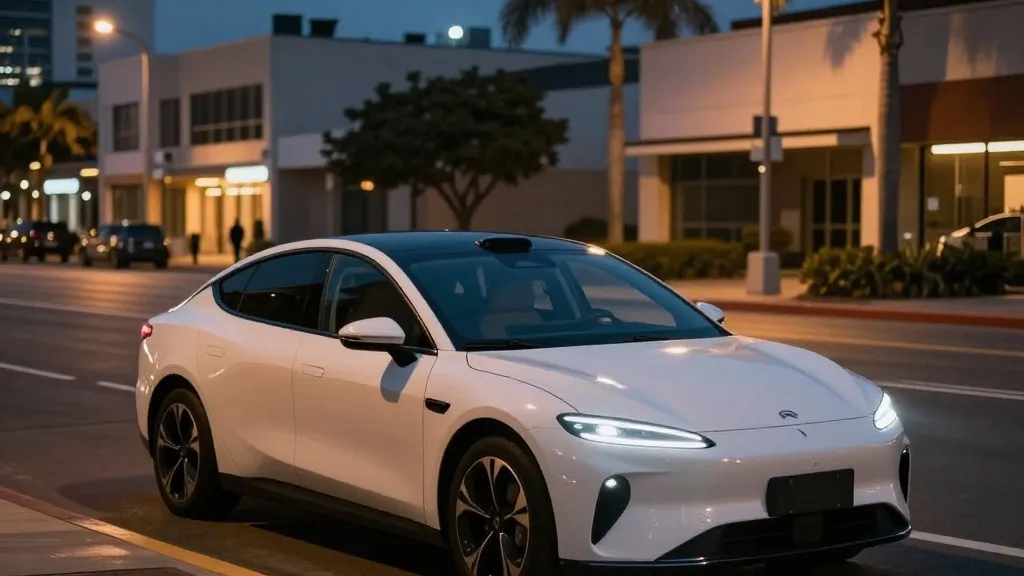
The vehicle itself is a two-seater manufactured without a steering wheel or pedals, relying entirely on Tesla’s Full Self-Driving software suite. Production of the Cybercab began in February, with early units joining the public Robotaxi service in early September. Tesla has previously indicated a target price of approximately $30,000 for the vehicle, a figure that remains central to its competitive positioning in the autonomous transportation market.
Moravy explained that initial customer deliveries will be modest in scale as the company gathers experience in delivery logistics, ownership structures, and fleet management. Operating autonomous vehicles outside of direct corporate control presents unique logistical challenges that the team is actively addressing. This phased rollout allows Tesla to mitigate risks associated with handing over fully autonomous assets to individual owners.
Looking ahead, Ashok Elluswamy, Tesla’s Head of AI, indicated that unsupervised Full Self-Driving capabilities are expected to ship to consumer cars in the second quarter of 2027. However, early Cybercab buyers or fleet operators may face geographically restricted autonomous operation due to the pace of regulatory approvals. These regulatory hurdles remain a key variable in the broader adoption timeline for autonomous vehicles in the region.
The stakes for investors and industry analysts lie in Tesla’s ability to transition from a manufacturer of hardware to a provider of autonomous services at scale. The successful integration of the Cybercab into both internal fleets and private hands will serve as a critical test of the company’s long-term strategy in the mobility sector.
Source: Teslarati