Amazon Abandons Northern Virginia Data Center Plans Amid Local Pushback
In a major shift, Amazon is converting a 122-acre site in Loudoun County into mixed-use housing and a community arts center instead of four new AI facilities.
By Jian Chen ·
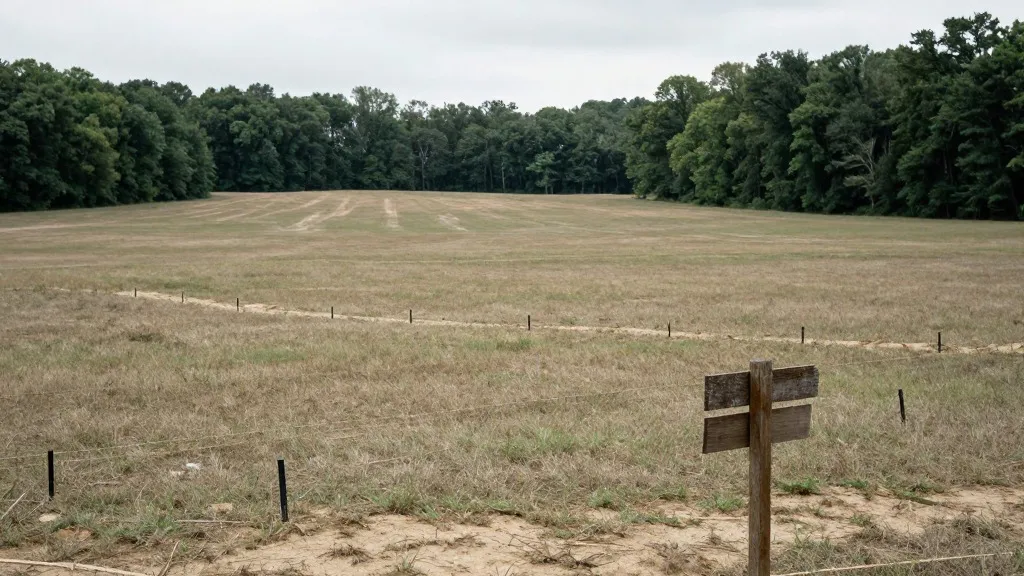
The long-standing tension between rapidly expanding artificial intelligence infrastructure and the residential communities that host it has reached a pivotal turning point in Northern Virginia. Amazon has officially withdrawn its proposal to construct four new data centers on a 122-acre property in Loudoun County, a region frequently referred to as Data Center Alley due to its high concentration of such facilities. In a significant reversal of its initial plans, the tech giant will instead repurpose the majority of the land for mixed-use and residential development, a decision driven by intense local opposition to the environmental and logistical impacts of large-scale computing facilities.
The site in question is the former campus of George Washington University, located just outside the District of Columbia. Following the decision to scrap the data center buildout, Amazon will donate 25 acres of the property to Loudoun County. This land is designated for the construction of a community arts center and a new recreational facility. Additionally, the company has committed a $5 million donation to the county’s housing fund, aimed at supporting the development of attainable homes for working families in the area.
This outcome marks a notable departure from the trajectory of development in a county that has been at the forefront of the global data center boom. Residents had raised substantial concerns regarding the noise pollution generated by server cooling systems and the immense electrical power required to keep the facilities running. These concerns contributed to a broader shift in how the local government approaches new infrastructure projects, prioritizing community impact over simple expansion.
Amazon first submitted its proposal for the four-facility complex in July of this year. By September, the company was in direct discussions with local leadership, specifically meeting with Phyllis J. Randall, the Chair of the Loudoun County Board of Supervisors. During these negotiations, it was suggested to Amazon that the land might be better utilized for purposes other than data storage and processing. The company subsequently evaluated the community’s concerns against its own development plans.
Josh Weissman, Amazon’s vice president for data center development, explained that the company had initially seized the opportunity to acquire the former university campus. However, he acknowledged the county’s specific worries about building data centers at that particular location. Weissman noted that while Amazon viewed the legal development potential of the property differently than the county did, the company determined that a shared vision was preferable to engaging in expensive legal battles. He stated that the best outcome for all parties involved was to agree on a common path for the campus’s future.
The decision reflects a wider industry trend where the surging demand for AI processing power is meeting increasing resistance from local populations. As cloud services and AI applications grow, the need for larger facilities has intensified, but so has the scrutiny from communities worried about rising electricity costs and resource strain. In a related move to address these tensions, President Donald Trump recently called for data center builders and AI hyperscalers to pay dividends to local communities to offset energy price increases. The President also proposed that these facilities should not only generate their own electricity but also return excess power to the local grid.
Local officials have framed the resolution as a success of negotiation rather than confrontation. In a statement, Board Chair Randall emphasized that choosing dialogue over disagreement created a valuable opportunity for the county. She highlighted that the agreement would provide new spaces for residents to gather and recreate, while also focusing on the critical need for more affordable housing options in the region.
The repurposing of the site underscores the evolving relationship between tech giants and the localities that host their infrastructure. While the demand for AI capacity remains high, the physical and social costs of meeting that demand are increasingly factored into development decisions. The Loudoun County project may serve as a model for how other regions negotiate the balance between technological growth and community needs in the coming years.
With the data center plans shelved, attention now turns to the execution of the new development plans. The transition from a high-tech industrial site to a mixed-use residential and community space will require careful planning to ensure the promised benefits, such as the arts center and housing, are realized. For now, the decision offers a temporary respite from the rapid expansion of data centers in one of the country’s most tech-saturated areas.
Source: Tom's Hardware